
Knowledge base
Specifying elastic waistbands: width, recovery, artwork and garment attachment
A waistband is both a textile component and part of the finished garment. Connect its dimensions, extension method, artwork repeat and attachment in the approval.
An elastic waistband may carry a brand identity while also controlling part of the garment fit. Approving the logo and width leaves other decisions open: how it extends, how it recovers, where it joins and how it is attached. These need a shared reference before the component can guide a bulk order.
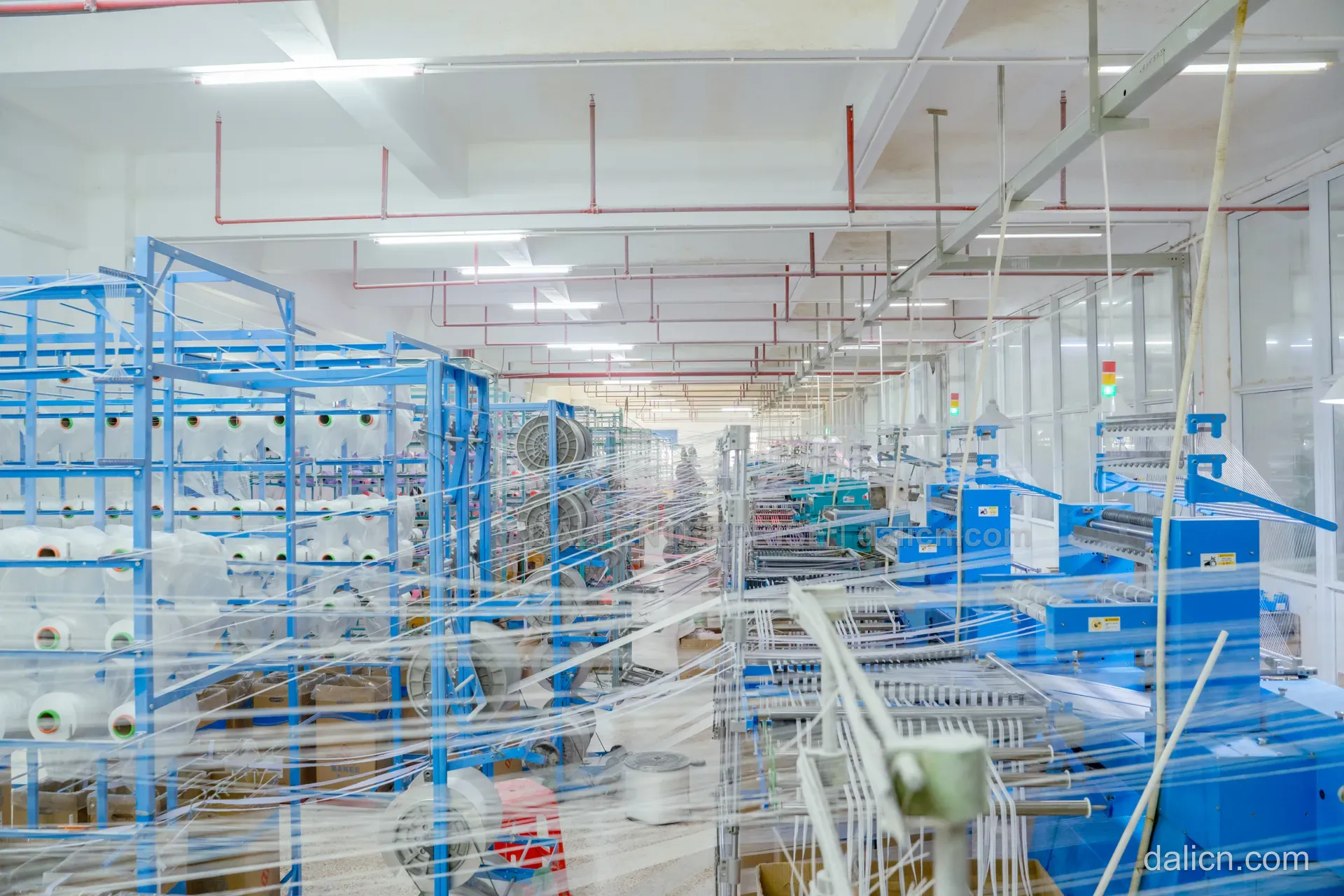
DALI's Jinjiang elastic operation connects component development with the garment network. That allows a waistband discussion to include its intended position and assembly. Elastic bands, bra straps, decorative ribbons and lace are different components; their specifications and supply routes should not be treated as identical.
Specify the finished component and its position
State the finished width, textile construction, color and intended garment location. Identify exposed or enclosed attachment and show where the joining seam should sit. For roll supply or cut lengths, agree the quantity unit and delivery form so the request does not mix meters, pieces and finished garments.
Add the relevant garment drawing and sample reference. A wide decorative band, an underwear waistband and an adjustable shoulder strap have different functions. Naming the position helps the component and garment teams assess the actual construction question rather than infer it from the appearance of a loose tape.
Use one extension and recovery method
Define how relaxed length, extension and recovery will be evaluated, including the conditions and acceptance criteria required by the buyer. A description such as high stretch or firm support is not a measurement method. Results are meaningful only when the compared samples have been assessed on the same basis.
Keep the actual sample reference with the result and note any change in material or construction. If a component is being considered for several garments, review whether the requirement is truly shared. Do not assume that an accepted tension for one opening or wearer is automatically suitable for another.
Check artwork on the textile, not just the file
Provide artwork that you are authorized to reproduce and identify repeat length, color and intended reading direction. Show how the repeat should meet at the joining seam. Confirm which features are fixed and which may need adjustment during component development before a physical reference is approved.
Review the artwork at the intended appearance and extension conditions. A flat digital logo does not show how the textile surface, stretch or attachment will affect its presentation. If the artwork repeat or band width changes, update the reference used by both the component and garment teams.
Evaluate attachment on the actual garment
Review seam position, overlap, edge contact and the way the band sits with the body fabric. Record the garment size and the component used in the sample. A loose-tape approval can resolve color and construction questions while leaving the finished-garment fit or edge behavior unapproved.
If the band changes late in development, identify the affected sample decisions before accepting the substitution. Review care and other required evaluations for the actual assembly. Do not use the appearance of an elastic sample or a general material certificate as proof of an untested finished-product claim.
Make separate trim supply and garment supply explicit
For component supply, connect the approved reference, quantity unit, delivery form and required documentation to the order. For a garment program, also connect it to fit, attachment and finished-product approvals. The same material can appear in both discussions, but the deliverables and acceptance references are different.
Send DALI the garment position, width, artwork, evaluation requirements and estimated bulk quantity. Include a reference tape or garment where available, with unresolved decisions clearly identified. The next review can establish the development route, sample objective and commercial basis for the specified component or finished garment.
Buyer questions
Does a digital logo approval approve a branded waistband?
No. Review the artwork on the developed textile with its repeat, width, joining and intended extension conditions. The garment attachment and fit may require a further assembled-sample review.
Can DALI discuss elastic supply separately from garments?
Yes. DALI's Jinjiang elastic operation supports a component discussion as well as garment-linked development. Specify the component, quantity unit and delivery form; the actual supply and approval scope is agreed for the project.
Review your proposed program with DALI.
Share the product, quantity estimate, destination and the development decisions you need to address. Attach the available references so the team can review your requirements.
Start a manufacturing discussion